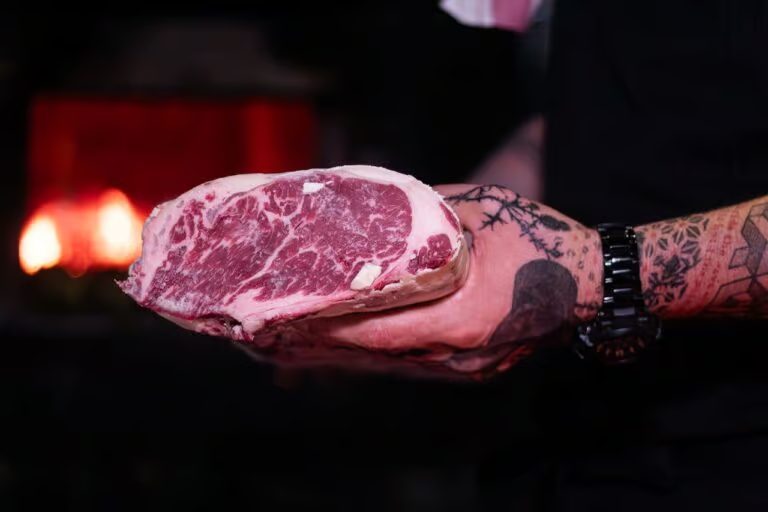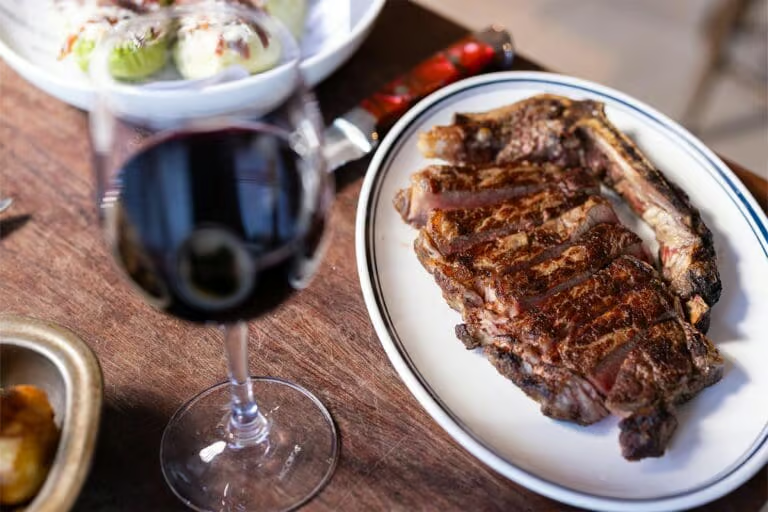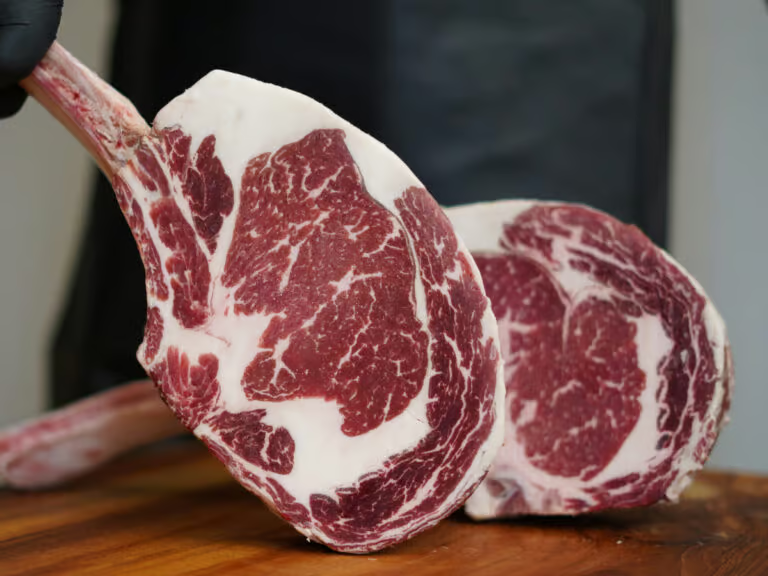

If you’ve ever cut into a thick steak and found a grey, overcooked ring sitting between the crust and the middle, you’ve run into the main problem with searing a steak the normal way. Heat comes in from the outside, so the outside is always going to be more cooked than the centre by the time the centre catches up. The reverse sear steak method gets around this by flipping the order: bring the steak up to temperature slowly in a low oven first, then finish it in a hot pan right at the end, just for colour. By the time it hits the pan, the inside is already close to done – the sear isn’t doing the cooking anymore, it’s just building the crust.
Ask us for the best way to cook steak at home and this is usually where we land – not for every cut, but for anything thick enough to make the extra step worth it. It’s also how we handle bone-in cuts on a busy night in the restaurant: get several most of the way there in the oven ahead of time, then finish each one to order in a hot pan, so nobody’s standing around waiting twenty minutes for a ribeye to come good in the middle.
Reverse sear thick steak – not thin cuts
This is really a thick-steak method, and it only pays off from about 4cm up. Anything thinner doesn’t have the mass to hold an even, slow climb in temperature, and by the time it’s come up to heat in the oven there’s barely anything left to sear. For a 2cm minute steak or a piece of skirt, just get the pan hot and go straight through — reverse searing a steak that thin will only dry it out.
Where it earns its keep is on the cuts you’d actually plan a night around – a bone-in ribeye, a thick-cut rump, anything off the bone. In our case that’s usually the Portoro, our bone-in rib eye cutlet, or the bone-in Ribeye – both easily thick enough to make it worthwhile. The bone helps here too. It insulates the meat closest to it and slows the cook right where you’d otherwise risk it running ahead of the rest of the steak.
Oven temperature and target internal temp
Keep the oven low – around 120°C fan-forced. Any hotter and you’ve lost the point of the method, which is a slow, even climb rather than a fast cook with extra steps. If you’ve got a probe thermometer, use it. Guessing by time on a bone-in cut is how people end up either underdone in the middle or standing around waiting another twenty minutes for nothing.
Pull the steak out 5–8°C below where you actually want to land – the sear and the rest will carry it the rest of the way.
| Doneness | Pull from oven at | Final internal temp |
| Rare | 42–44°C | 48–50°C |
| Medium-rare | 47–50°C | 54–56°C |
| Medium | 53–55°C | 60–62°C |
| Medium-well | 58–60°C | 65–67°C |
Treat these as a guide rather than gospel. A well-marbled cut and a lean one can read slightly differently at the same number, and a bone-in piece climbs a little differently again.
The sear: cast iron, 60 seconds each side
Cast iron, as hot as your stove will get it, about 60 seconds a side. Don’t move the steak once it’s down — let it sit long enough to build a proper crust before you flip it. A splash of oil with a high smoke point does this better than butter, which will burn before the pan’s actually hot enough to do its job.
By this point the steak’s basically cooked already. The pan’s only job is colour. If you’re searing for three or four minutes a side to get any crust going, the pan wasn’t hot enough when the steak went in.
Resting and serving
Because most of the cooking happened slowly, the juices haven’t been pushed around the way they are in a steak that’s spent eight or ten minutes in a hot pan from raw. You don’t need much of a rest — five minutes under foil is plenty, where a traditionally seared thick steak might want closer to ten.
Season with a good flaky salt once it’s rested rather than before it goes in the oven, slice against the grain if you’re carving it off the bone for the table, and get it out while the crust still has some crunch left in it. Cast iron holds its heat well past the point you’ve taken the steak off it, so don’t let it keep sitting in the pan you seared it in.
How to reverse sear steak, step by step
1. Season the steak and put it on a rack in a 120°C oven until it reads 5–8°C below your target doneness.
2. Get a cast iron pan smoking hot.
3. Sear about 60 seconds a side, without moving it.
4. Rest five minutes under foil, then serve.
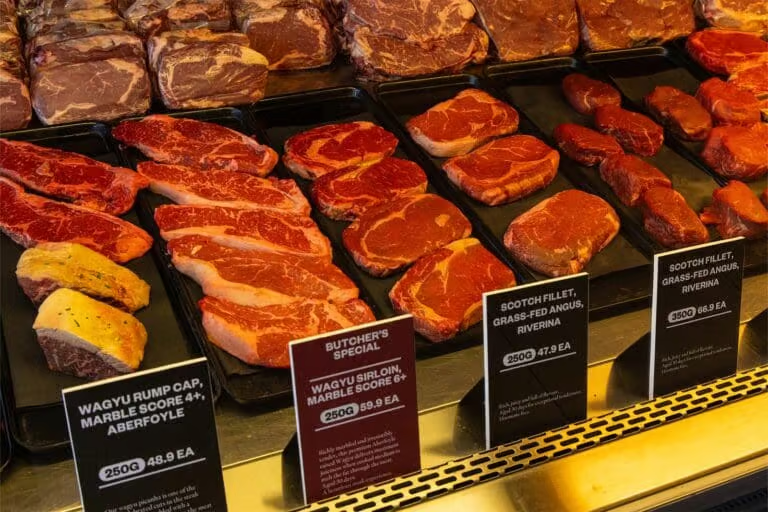
If you’re standing at the counter and not sure which piece is thick enough to make reverse sear steak worth doing, ask whoever’s serving you – we’ll point you to the right one.
Macelleria Bondi · G09/180 Campbell Parade, Bondi Beach · Open 7 days · No bookings required
FAQs
What is the reverse sear method for steak?
Cooking the steak low and slow in the oven until it’s almost at temperature, then finishing it in a hot pan for about a minute a side to build a crust – the reverse of the usual sear-first, oven-to-finish order.
What temperature do you reverse sear a steak?
Around 120°C in the oven, pulling the steak out 5–8°C below your target doneness so the sear and the rest bring it the rest of the way.
Is reverse sear better than regular searing?
For anything under about 3cm, not really – a hot pan the whole way through is quicker and gets you to the same place. For a thick, bone-in cut, it’s the best steak cooking method we know: more even cooking edge to edge and a lot less guesswork.
Can you reverse sear a thin steak?
You can, but there’s not much point. A thin steak is close to done by the time a hot pan’s put any real colour on it, so the slow oven stage doesn’t have anything meaningful left to do.