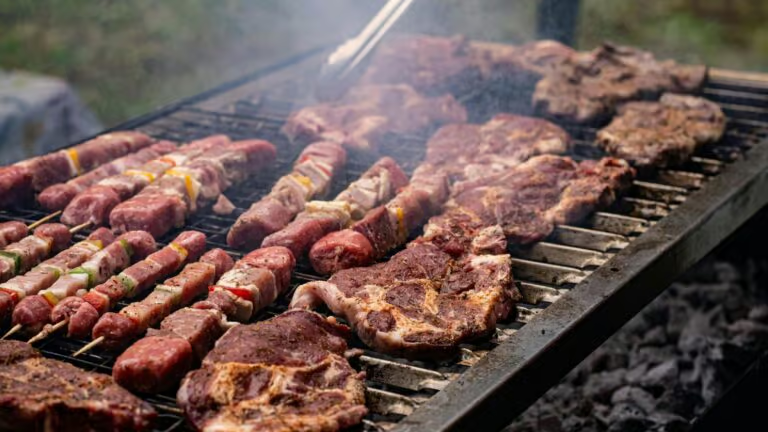

There’s no shortage of steak cuts in Australia — the problem is most of them aren’t built for a hot, fast BBQ, and that’s usually where the disappointment starts. People blame themselves, or the weather, or the BBQ itself. Most of the time it’s the cut that was wrong for the job, not the cook. A lean, thin cut thrown over screaming coals and a thick, well-marbled one cooked the same way will behave completely differently, and neither result has much to do with how good a cook you are.
Scotch fillet
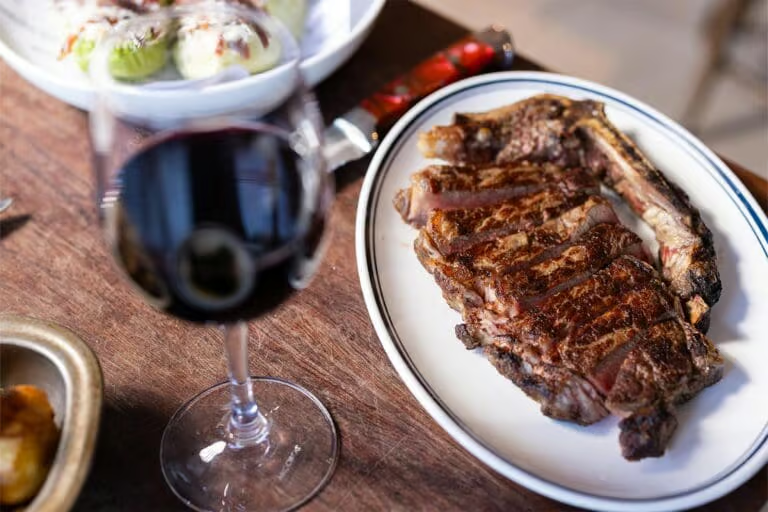
Scotch fillet is the cut we point most people toward when they can’t decide, and there’s a reason for that. It’s got enough fat running through it to stay forgiving if it’s left on a minute longer than planned, without being so lean that a hot grill punishes the smallest mistake. Skin off, 2.5–3cm, straight over direct heat — it’s about as close to a foolproof BBQ steak as you’ll get, and it’s usually the first thing suggested to someone standing at the counter without a strong opinion either way.
Eye fillet
Eye fillet is the leanest cut on this list, and the most tender, which is exactly why it’s the easiest one to ruin on a BBQ. There’s almost no fat to protect it, so the window between medium-rare and overdone is shorter than people expect over an open flame. If you’re set on cooking it outside, keep it thick and watch it closely — or honestly, a hot cast iron pan gives you more control over a cut this lean than coals ever will.
Picanha
Picanha doesn’t get chosen anywhere near as often as it should, mostly because people don’t know what to do with it. It’s the rump cap — a triangular cut with a thick layer of fat left on one side, traditionally cooked whole or in thick steaks with that fat cap scored and started fat-side-down so it renders slowly before the meat itself sees direct heat. Trim the fat off like you would on other cuts and you lose most of what makes picanha worth cooking in the first place. Done properly, it’s one of the better cuts for a BBQ with a group — good size, forgiving, and it carries flavour through the fat in a way leaner cuts can’t.
Rump
Rump’s the value pick — slightly firmer than scotch or eye fillet because it’s a harder-working muscle, but the flavour’s there if it isn’t taken past medium. Good size for feeding a few people off one piece, and forgiving enough over direct heat that it’s a safe choice if you’re cooking for a crowd and don’t want six different steaks needing six different amounts of attention.
Tomahawk
A tomahawk is a bone-in ribeye with the rib bone left long and frenched, and it’s built for a BBQ rather than a stovetop mostly because of its size — most kitchens don’t have a pan big enough. It’s also thick enough that direct heat alone will burn the outside before the inside’s anywhere close to done, so it wants the same two-zone approach we’ve covered before: indirect heat to bring it up gently, then over the coals right at the end for the crust. It’s more of a showpiece cut than an everyday one, but if you’re cooking for a table rather than yourself, it’s hard to beat. Rest it longer than you would a normal steak, too — there’s a lot more mass holding onto heat, and cutting into it too early undoes a fair bit of the work that went into cooking it properly.
Method match: high heat vs indirect
Scotch fillet, eye fillet, rump — anything under about 3cm — wants direct heat the whole way through. Get the grill hot, cook it fast, done. Picanha and tomahawk are thick enough, or shaped awkwardly enough, that direct heat alone won’t cook them evenly; they need time over indirect heat first before finishing hard and fast over the coals. It’s the same logic as reverse searing, just done entirely on the BBQ instead of splitting it between an oven and a pan — we’ve gone through that method in more detail in BBQ vs Cast Iron: Which Is the Best Steak Cooking Method? and How to Reverse Sear a Steak.
Buy from a butcher who knows provenance
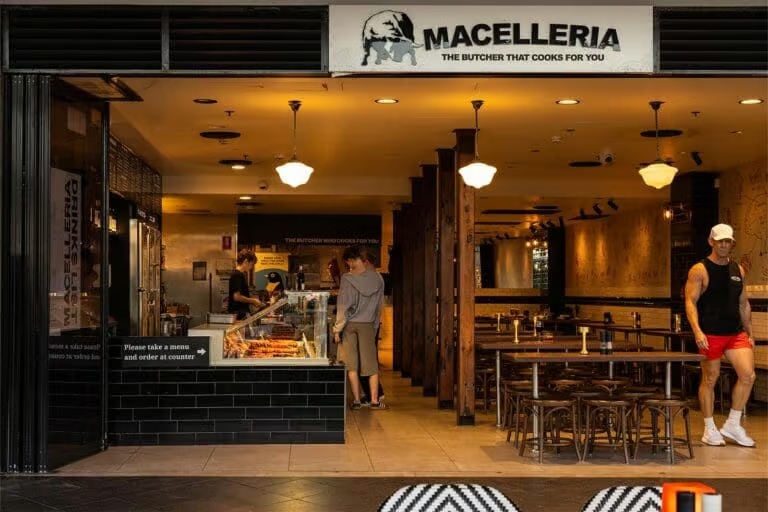
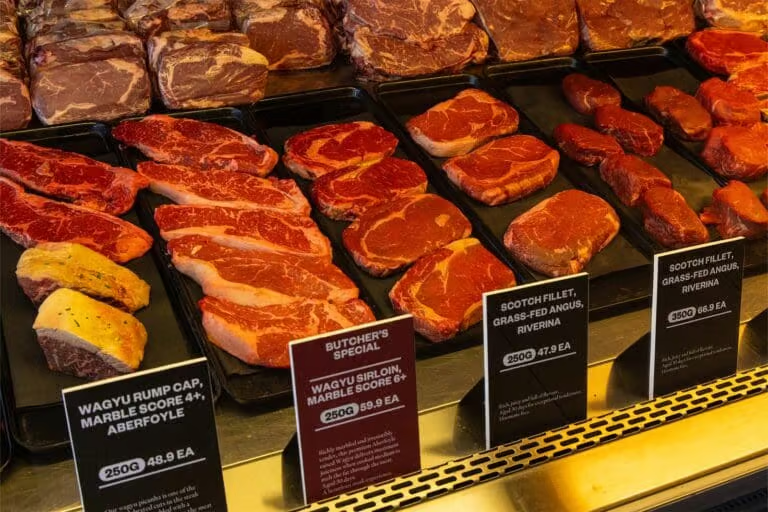
Ask where the beef’s from and how it’s graded, and a good butcher should be able to tell you without checking. MSA grading, marbling score, how long it’s been hung — that’s the kind of detail that actually changes how a cut performs on the grill, not just how it reads on a menu. It’s also part of why we handle things the way we do: we’re not just selling a cut off a shelf, we’re the ones who’ve broken it down, looked at the fat, and know how it’s going to behave before it gets anywhere near your BBQ. A shrink-wrapped tray with a sticker on it isn’t going to tell you any of that, and it’s a genuinely different experience buying from someone who can.
If you’re not sure which of these suits what you’re cooking for, that’s exactly the kind of question to bring to the counter — easier to talk through in person than to guess from a shopping list.
Macelleria Bondi · G09/180 Campbell Parade, Bondi Beach · Open 7 days · No bookings required
FAQs
What is the best cut of steak for a BBQ? Scotch fillet, for most people — enough fat to stay forgiving over direct heat without needing much technique. Rump’s a close second if you’re cooking for a group and want good value.
Is scotch fillet or eye fillet better for the grill? Scotch fillet, if precision isn’t guaranteed — it’s got more fat to protect it from the heat swings you get on a BBQ. Eye fillet is more tender but far less forgiving, and rewards a controlled pan more than an open flame.
How thick should a BBQ steak be? Around 2.5–3cm for most cuts cooked straight over direct heat. Anything thicker than that — a tomahawk, a thick picanha — needs indirect heat first or it’ll burn outside before it’s done in the middle.
What is picanha and how do I cook it? It’s the rump cap, cut with a thick layer of fat left on one side. Score the fat, start it fat-side-down over moderate heat so it renders slowly, then finish over higher heat for colour. Skipping the fat-rendering step is the most common mistake people make with it.