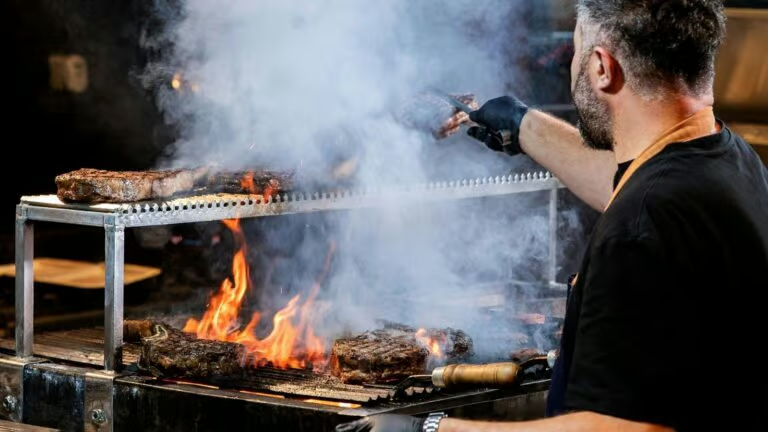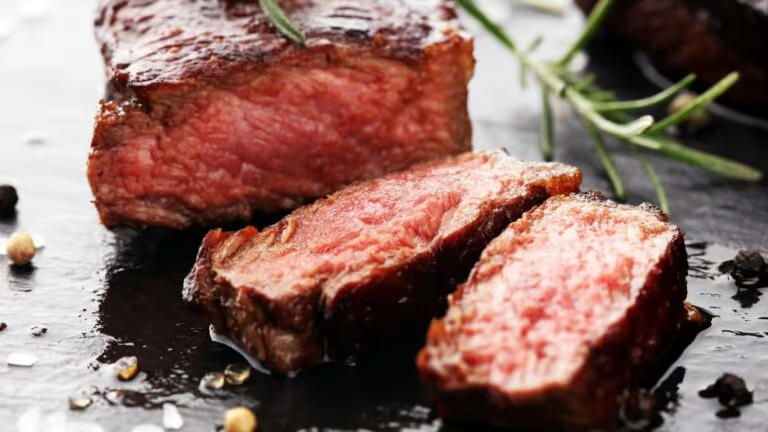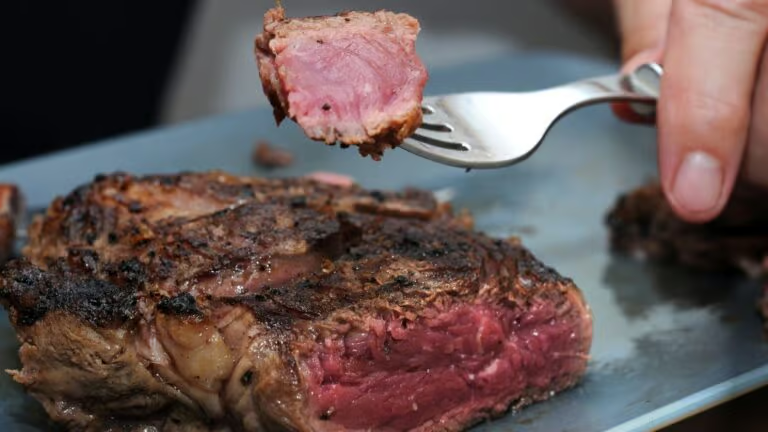

Picanha’s been the cut Brazilian steakhouses build their whole reputation around for decades, it’s usually the first thing that comes round on a rodizio skewer, and the one regulars ask for by name. It’s taken a while longer to get proper recognition here, and it’s still common to find it sitting in an Australian butcher’s case under its other name rather than this one.
Where it sits on the animal
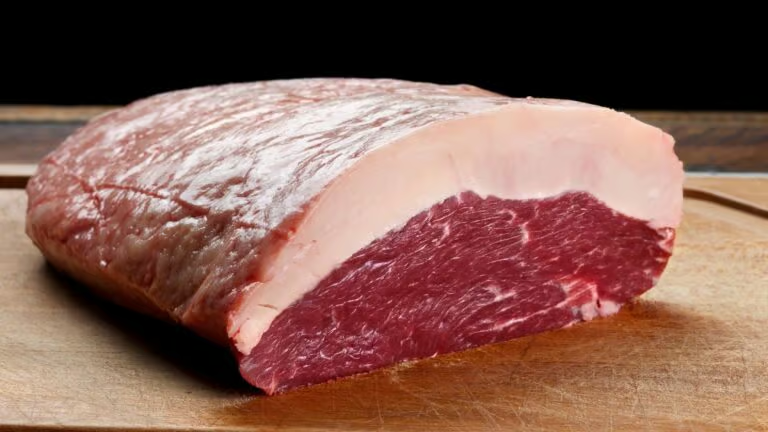
It’s the cap of fat and muscle that sits over the top of the rump, one triangular piece, taken off whole, with a thick layer of fat running along one side. In Australian butchery, this is the cut most shops just call rump cap. Picanha is the Brazilian name for the same piece, tied to a particular tradition of preparing it rather than to a different part of the animal.
What makes it distinct
Most of what makes a steak rich comes from marbling, fat running through the muscle itself. Picanha works differently. The fat that matters here sits on top as a cap rather than through the meat, which is a big part of why it’s cooked the way it is: fat-side to the heat first, so it renders down into the meat as it cooks rather than needing to be marbled through to begin with. Trim the cap off before cooking, which some people do out of habit, and you’ve lost most of the reason to choose the cut at all.
The meat underneath has a coarser grain than something like scotch fillet, with real chew to it, but a flavour that’s more intensely beefy than a lot of steaks that cost considerably more per kilo. It’s not trying to compete with eye fillet on tenderness, and it doesn’t need to, that’s a different cut solving a different problem. What picanha does well is deliver a lot of flavour for the price, with a texture that holds up to being sliced and shared rather than served as a single neat portion.
How we source it
The picanha we cut is a 250g wagyu rump cap, graded MB4+, the only version we carry, rather than one of several grades or cuts to choose between. It’s usually sitting in the display labelled rump cap rather than picanha, so it’s worth asking for it by name if you’re after it specifically.
It’s also one of the cuts that brings people in specifically rather than getting picked up as an afterthought. Bondi’s got a genuine Brazilian community, and picanha is often the reason they walk through the door. We’ve got two Brazilian chefs on the team as well, and it’s not just another cut to them, they’ve got real opinions about how it should be cooked, which is part of why we take it as seriously as we do.
How to cook it
Hot and fast, fat-side down first, whether that’s a BBQ or a cast iron pan. Score the fat in a light crosshatch so it renders evenly, salt it right before it goes on rather than in advance, and keep an eye on it once the fat starts rendering, that’s when it can flare if you’re cooking over open flame. We’ve gone into the full method, timing and slicing in How to Cook Picanha at Home, if you’re cooking it yourself for the first time.
How to serve
Traditionally it comes to the table as one whole piece and gets sliced to order rather than portioned in the kitchen beforehand, part of the reason it works so well for a group. Slice against the grain into pieces about as thick as two fingers, and put chimichurri alongside it rather than anything richer; the acidity cuts through the fat cap in a way that suits the cut better than a heavier sauce would.
It’s also a reasonable cut to build a whole meal around rather than treat as one steak among several. Simple sides, potatoes, a green salad, something acidic, do more for it than anything elaborate, mostly because the cut itself is already doing the work that a heavier accompaniment would otherwise need to do.
Macelleria Bondi · G09/180 Campbell Parade, Bondi Beach · Open 7 days · No bookings required
FAQs
What is picanha and where does it come from? Picanha is the Brazilian name for the rump cap, a triangular cut with a thick fat cap on one side, central to Brazilian churrasco and rodizio-style dining.
Is picanha the same as rump cap? Yes. Picanha is the Brazilian name for the cut most Australian butchers, including us, would call rump cap.
How should picanha be cooked? Hot and fast, fat-side down first, whether that’s a BBQ or a cast iron pan, until the fat has rendered and coloured.
Is picanha available in Australia? Yes, though it’s often sold under the name rump cap rather than picanha. Ours is a 250g wagyu rump cap, graded MB4+.